Introduction
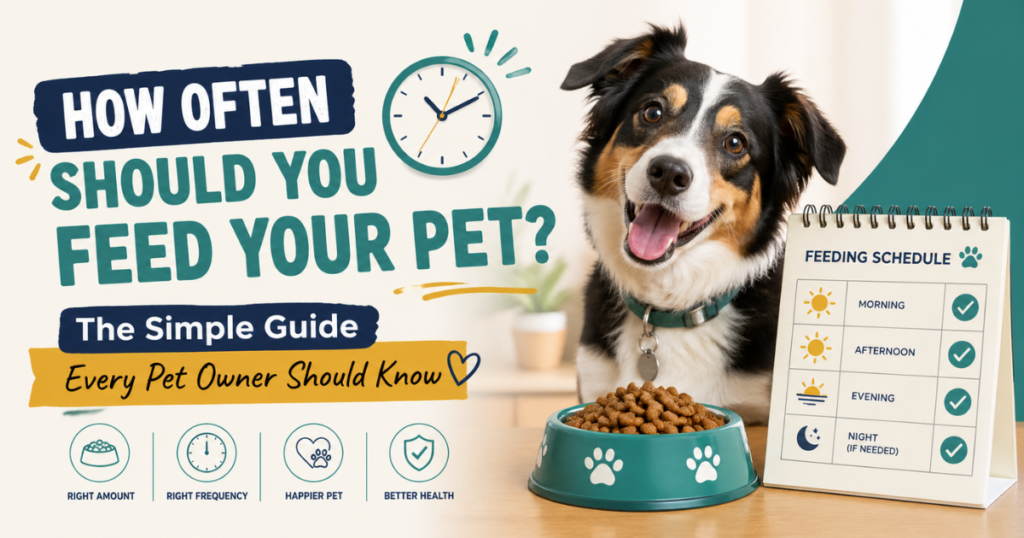
It’s a question every pet parent asks at some point, and it may sound very simple, but it actually plays a big role in your pet’s overall health and happiness. Feeding your pet at the right time and in the right amount can make a huge difference in their energy, digestion, and even behavior.
The important thing to understand is that there is no single feeding schedule that works for all pets. A young puppy, a fully grown dog, and a senior cat all have very different nutritional needs and eating patterns. Their body size, activity level, and age all affect how often they should eat.
When feeding is done correctly, it helps in maintaining a healthy weight, improving digestion, increasing energy levels, and keeping your pet active throughout the day. On the other hand, irregular feeding or overfeeding can lead to problems like obesity, low energy, or long-term health issues.
That’s why understanding the right feeding routine is just as important as choosing the right food. Once you know the basics, it becomes much easier to keep your pet healthy and happy in the long run.
Let’s break it down simply and easily so you can understand exactly what your pet needs at different life stages.
Why Feeding Schedule Matters More Than You Think
Feeding your pet is not just about putting food in the bowl and moving on. It actually plays a big role in your pet’s overall health, behavior, and daily routine.
A proper feeding schedule can positively impact many important areas, such as:
- Digestion and gut health
Regular and balanced meals help your pet’s stomach work properly and reduce issues like gas, bloating, or indigestion. - Energy levels throughout the day
The right amount of food at the right time keeps your pet active, playful, and full of energy instead of feeling lazy or weak. - Weight management
Controlled feeding helps prevent both obesity and underweight problems, keeping your pet in a healthy shape. - Behavior and training response
Pets often behave better when they are on a routine. A well-fed pet is usually more focused, calm, and easier to train. - Long-term health and lifespan
Good feeding habits can support stronger immunity and reduce the risk of many health issues in the long run.
Another important benefit is emotional comfort. When pets are fed on a fixed schedule, they feel more secure and less anxious because they know when their next meal is coming. This routine builds trust and stability in their daily life.
How Often Should You Feed a Dog?
Puppies (0–6 months): 3 to 4 meals daily
Puppies grow at a very fast pace, and their bodies need a constant supply of energy and nutrients to support this development. Because of their small stomach size, they cannot eat large meals at once, which is why frequent feeding is important.
- Puppies should be fed 3 to 4 small meals every day
- Their diet should include high-protein puppy food that supports growth
- Meals should help in building strong bones, muscles, and a healthy immune system
At this stage, nutrition plays a very important role in shaping their overall health. Proper feeding helps with brain development, energy levels, and physical strength.
Irregular feeding or missed meals at this time may hinder growth and lead to weakness or poor nutrition. That’s why maintaining a consistent feeding schedule is essential for a healthy start in life.
Young Dogs (6–12 months): 2 to 3 meals daily
This stage is a gradual transition where your puppy begins shifting toward adult feeding habits. Their growth is still happening, but not as fast as before, so their diet and meal frequency need to be adjusted slowly.
- You can gradually reduce meal frequency from 3–4 meals to around 2–3 meals a day.
- Slowly start introducing adult dog food along with puppy food
- This helps your dog’s digestive system adjust comfortably without stress
During this phase, sudden changes should be avoided. A slow and steady transition ensures better digestion, stable energy levels, and a smooth shift to adult nutrition.
Adult Dogs (1–7 years): 2 meals daily
This is the most stable and consistent feeding stage in a dog’s life. At this point, their growth is complete, so their diet mainly focuses on maintaining health, energy, and proper weight.
- Two meals a day (morning and evening) usually work best
- Helps maintain a balanced energy level from morning to evening.
- Supports healthy digestion and prevents overeating
- Supports healthy weight management and reduces the risk of obesity.
Most veterinarians recommend sticking to a fixed routine during this stage because it keeps your dog balanced, active, and healthy in the long run.
Senior Dogs (7+ years): 2 smaller meals daily
As dogs get older, their metabolism slows down, and their activity level decreases, so their diet needs to be adjusted accordingly. Senior dogs benefit from lighter meals that are easier to digest and gentle on their body.
- Smaller portions to avoid unnecessary weight gain
- Easy-to-digest food that supports smooth digestion
- Nutrition that helps maintain healthy joints and mobility
At this stage, the focus is more on comfort, weight control, and overall well-being rather than high energy intake. A properly balanced senior diet can help your dog stay active, comfortable, and healthy for longer.
How Often Should You Feed a Cat?
Kittens (3–6 months)
Kittens grow very quickly and stay active most of the day, so they need frequent meals to support their development and energy needs.
- Feed 3 to 4 small meals daily
- Choose high-protein kitten food for healthy growth
- Give regular and balanced portions throughout the day
This feeding routine supports rapid growth, strong muscles, and healthy development. Regular meals also help kittens stay energetic and maintain proper digestion during their early stages of life.
Adult Cats: 2 meals daily
Most adult cats do well with a simple and consistent feeding routine that matches their stable energy needs.
- Two meals a day (morning and evening) is usually ideal
- Provide balanced portion sizes to maintain a healthy weight
- Some cats may prefer small snacks or light meals in between, depending on their habits
A steady feeding schedule helps maintain good digestion, stable energy levels, and prevents overeating. However, every cat is different, so it’s important to adjust the routine based on their activity level and preference.
Senior Cats: 2 small meals or vet-guided routine
Older cats often need extra care when it comes to their diet because their digestion slows down,n and health needs may change with age.
- Softer food that is easier to chew and digest
- Controlled portion sizes to help maintain a healthy body weight.
- Special die,ts if required, especially for issues like kidney health, dental problems, or reduced appetite
At this stage, the focus is on comfort, easy digestion, and supporting overall health so your cat can stay active and comfortable in their senior years.
Free Feeding vs Scheduled Feeding
Free Feeding
Some owners prefer to keep food out continuously, allowing pets to eat whenever they want. This is known as free feeding.
Pros:
- Very convenient for owners
- Can work well for some cats with self-control
- Easy routine with less strict scheduling
Cons:
- Higher risk of overeating
- Can lead to weight gain or obesity
- Makes it difficult to track eating habits and health changes
Free feeding may work for some cats, but for many pets, a controlled feeding schedule is a healthier and more balanced option.
Scheduled Feeding (Fixed times)
This is the most recommended feeding method for most pets because it follows a fixed routine and helps maintain better overall health.
Benefits:
- Better weight control by preventing overeating
- Easier training, as pets respond well to a consistent routine
- Builds a healthy daily schedule for eating and digestion
- Helps owners quickly notice any changes in appetite, which can signal health issues
A proper feeding schedule keeps pets more disciplined, active, and healthy in the long run.
Factors That Change Feeding Needs
Every pet is unique, so there is no single feeding schedule that works for all dogs and cats. The right feeding frequency depends on several important factors.
- Age: Puppies and kittens need more frequent meals, while adults and seniors usually eat fewer times a day.
- Breed size (small vs large dogs): Small breeds often need smaller, more frequent meals, while large dogs may do well with fewer, larger portions.
- Activity level: Active and energetic pets burn more calories and may need more food compared to indoor or less active pets.
- Medical conditions: Health issues like diabetes, allergies, or digestive problems can change feeding needs.
- Type of food (dry or wet): Wet food and dry kibble digest differently, which can affect portion size and frequency.
For example, an active Labrador will need more calories and nutrition compared to a small indoor dog that spends most of its time resting.
Common Feeding Mistakes Pet Owners Make
Even caring and loving pet owners can sometimes make small feeding mistakes without realizing it. Over time, these can affect a pet’s health and weight.
- Overfeeding treats: Giving too many snacks can add extra calories quickly.
- Irregular meal timing: Changing feeding times often can disturb digestion and routine.
- Giving human food: Some foods we eat are not safe or healthy for pets.
- Guessing portion sizes: Feeding without measuring can easily lead to overfeeding or underfeeding.
- Ignoring vet recommendations: Skipping professional advice can prevent proper nutrition planning.
Even small mistakes like these can slowly lead to weight gain, digestive issues, and long-term health problems.
Warning Signs You Need to Adjust Feeding
It’s important to observe your pet regularly because their behavior and body condition can tell you a lot about their diet.
Watch out for these common signals:
- Sudden weight gain or loss
This may indicate overfeeding, underfeeding, or an unbalanced diet. - Constant hunger or begging for food
Your pet may not be getting enough nutrition or proper meal portions. - Low energy or unusual laziness
Poor diet or irregular feeding can affect energy levels. - Digestive issues
Problems like vomiting, loose stool, or gas may signal food intolerance or poor feeding habits. - Behavioral changes
Sudden irritability, anxiety, or restlessness can sometimes be linked to diet.
If you notice any of these signs, it may be time to review and adjust your pet’s feeding schedule or consult a vet for guidance.
Expert Tips for a Healthy Feeding Routine
Here’s a cleaner and more natural version:
- Feed at the same time every day to build a consistent routine
- Always provide fresh, clean water for proper hydration
- Measure food portions correctly instead of guessing
- Adjust diet based on age, breed, and activity level
- Visit the vet regularly for health checkups and guidance
In pet care, consistency matters more than perfection. Even small, regular habits can make a big difference in your pet’s long-term health and happiness.
Conclusion
There is no single perfect feeding schedule that works for every pet, but there is a perfect routine for your own pet based on their needs and lifestyle.
In general, most dogs do well with 2 meals a day, while cats also usually thrive on 2 meals daily, depending on their age, activity level, and habits. However, younger or more active pets may need more frequent feeding, while senior pets may need lighter adjustments.
The real key is not just the number of meals, but consistency, balance, and careful observation. When you pay attention to your pet’s behavior, energy levels, and appetite, you can easily understand what works best for them.
A healthy feeding routine does much more than just satisfy hunger; it supports better digestion, stable energy, good behavior, and overall quality of life for your pet.
FAQs
Most adult dogs should be fed 2 meals a day, morning and evening. Puppies may need 3 to 4 meals daily, while senior dogs benefit from 2 smaller, easy-to-digest meals.
Adult cats usually do well with 2 meals per day, while kittens need 3 to 4 small meals daily for healthy growth and energy.
A scheduled feeding routine is generally better for most pets. It helps control weight, improves digestion, and allows you to track your pet’s eating habits more easily.
Overfeeding can lead to obesity, low energy, digestive issues, and long-term health problems. It can also reduce your pet’s overall activity and lifespan.
It is not recommended. Many human foods are not safe for dogs and cats and can cause digestive issues or serious health problems.