
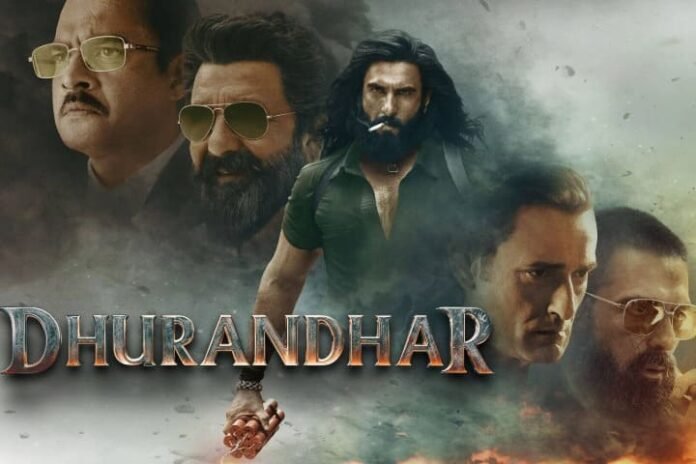
If there’s one film in 2026 that didn’t just release but exploded across screens, headlines, and social media, it’s Dhurandhar 2: The Revenge. This isn’t just a sequel—it’s a full‑scale cinematic assault that blends espionage, raw emotion, nationalism, and brutal action into a single, unforgettable experience.
The first film laid the foundation. This one? It burns everything down and rebuilds it with rage, trauma, and relentless intensity.
So let’s break it all down—from story, cast, performances, box office, controversies, themes, and real impact—in a way that actually helps you understand why this film has become a phenomenon.
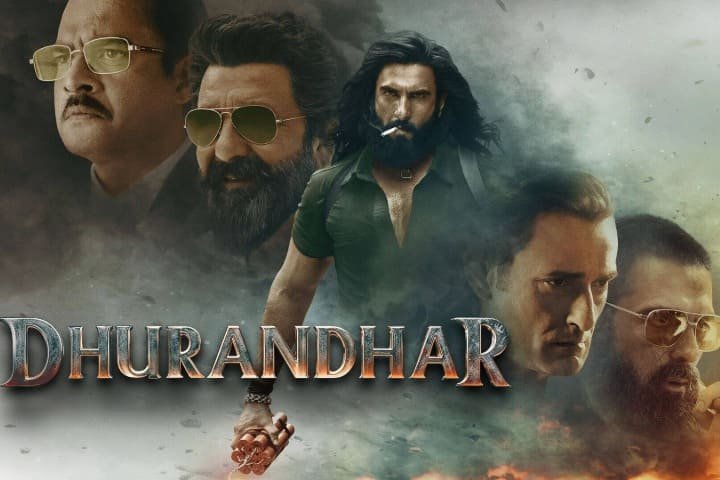
H1: Dhurandhar 2: The Revenge (2026) – Full Analysis
🎬 Overview of Dhurandhar 2
Core Details & Production Scale
Dhurandhar 2: The Revenge is not your typical Bollywood sequel—it’s a mega‑budget cinematic war machine. With an estimated budget of ₹350–400 crore, it stands among the most expensive Indian films ever produced. That scale shows up everywhere—from the massive sets recreating Karachi’s underworld to the high‑octane action sequences that feel closer to Hollywood war films than traditional Indian cinema.
The runtime alone—over 3.5 hours (210–214 minutes)—signals ambition. This isn’t a quick popcorn flick. It’s a long, immersive journey that demands your attention and emotional investment. And honestly, that’s part of its charm. The film doesn’t rush—it pulls you deep into its world.
Why This Sequel Matters
Sequels often struggle. Either they repeat the same formula or collapse under expectations. But Dhurandhar 2 does something different—it raises the stakes emotionally, politically, and cinematically.
The first film introduced a spy. The second film breaks him, rebuilds him, and questions everything he stands for.
That shift—from mission‑driven storytelling to character‑driven chaos—is what makes this sequel stand out.
🔥 Story & Plot Breakdown
Continuation from Part 1
The film picks up immediately after the cliffhanger ending of the first part. There’s no slow recap, no gentle re‑entry. You’re thrown straight back into chaos.
Hamza Ali Mazari—who is actually Jaskirat Singh Rangi—is already deep inside enemy territory.
But here’s the twist: he’s no longer just an agent. He’s a man with nothing left to lose.
Everything he once had—family, identity, stability—is gone. What remains is a mission that slowly transforms into something darker: revenge.
Hamza’s Transformation Arc
This is where the film truly shines.
Hamza doesn’t follow the traditional “hero” arc. He evolves into something unpredictable—part patriot, part vigilante, part monster. His decisions become increasingly brutal, and at times, you genuinely question whether he’s still on the right side.
Think of it like watching a soldier slowly turn into a weapon that no one can control—not even his own country.
That internal conflict drives the narrative. It’s not just about stopping a terror plot—it’s about losing yourself while trying to save your nation.
🎭 Cast & Performances
Ranveer Singh’s Career-Defining Role
Let’s be real—this film belongs to Ranveer Singh.
His performance isn’t just good—it’s explosive, raw, and almost unsettling. He doesn’t play Hamza; he becomes him. From quiet emotional breakdowns to savage combat sequences, he carries the film on his shoulders.
Character Psychology & Evolution
What makes his performance special is the emotional layering. One moment, he’s a calm strategist. The next, he’s unleashing pure rage.
You can see the trauma in his eyes. The hesitation. The anger. The emptiness.
It’s like watching a man slowly disappear inside his own mission.
Supporting Cast Impact
The supporting cast adds depth and complexity.
- The antagonist, Major Iqbal, is cold, calculated, and terrifying.
- Emotional anchors like Jasleen bring humanity to the chaos.
- Veteran actors elevate key moments with powerful screen presence.
Each character feels purposeful—not just filler.
🎥 Direction & Cinematic Execution
Aditya Dhar’s Vision
Aditya Dhar doesn’t play safe—and that’s exactly why the film works.
He pushes boundaries in storytelling, action, and political themes. The film feels less like a commercial Bollywood project and more like a global espionage thriller with Indian roots.
His attention to detail—whether it’s dialogue, setting, or pacing—is evident throughout.
Action Design & Realism
The action sequences are brutal. Not flashy. Not exaggerated. Just raw, grounded, and impactful.
You feel every punch. Every explosion. Every moment of tension.
The use of long‑take action scenes adds realism, making you feel like you’re inside the chaos rather than watching it from a distance.
💰 Box Office Performance
Opening Day Records
The film shattered records with a ₹100+ crore opening day, making it one of the biggest openings in Indian cinema history.
That kind of number isn’t just impressive—it’s historic.
Global Collections & Projections
Within just a few days, the film crossed ₹500–600 crore globally, with strong performance in international markets like:
- USA
- UK
- Middle East
- Australia
It’s on track to cross ₹1,200+ crore, putting it among the highest‑grossing Indian films ever.
📊 Comparison with Dhurandhar Part 1
| Factor | Part 1 | Part 2 |
|---|---|---|
| Budget | ₹250 Cr | ₹350–400 Cr |
| Tone | Spy Thriller | Revenge Drama |
| Box Office | ₹1300 Cr | Projected ₹1400 Cr |
| Character Arc | Introduction | Transformation |
Part 2 isn’t just bigger—it’s darker, deeper, and more intense.
🧠 Themes & Deeper Meaning
Revenge vs Patriotism
The film constantly asks: Are you serving your country, or your own anger?
Hamza’s journey blurs that line completely.
Identity Crisis & Duality
Living as two identities destroys him. He’s neither fully Jaskirat nor fully Hamza anymore.
That identity loss becomes the emotional core of the film.
⚠️ Criticism & Controversies
Violence Debate
The film doesn’t hold back. Some scenes are extremely graphic.
For some viewers, it adds realism. For others, it feels excessive.
Nationalism Narrative
The film has been called overly nationalist. While it resonates with many Indian audiences, it has sparked criticism internationally.
This divide has only increased its visibility and discussion.
🌍 Cultural Impact & Fan Reactions
The film became more than entertainment—it became a cultural event.
- Trending hashtags for days.
- Viral dialogues and scenes.
- Fan theories and edits.
It created a wave of conversation across platforms.
🎯 Final Verdict
Dhurandhar 2: The Revenge is bold, intense, and unapologetic.
It’s not perfect. The runtime feels long. The messaging can be controversial. But as a cinematic experience? It delivers in a big way.
If you enjoy hard‑hitting action, layered characters, and emotionally driven storytelling, this is a must‑watch.
Rating: 4.2/5
❓ FAQs
1. Is Dhurandhar 2 better than Part 1?
Yes, it’s more intense and emotionally complex, though darker in tone.
2. Is the movie suitable for all audiences?
No, due to graphic violence and mature themes.
3. What makes Ranveer Singh’s performance special?
His emotional depth and physical intensity elevate the character.
4. Does the film have a sequel setup?
It concludes the story but leaves room for spin‑offs.
5. Is it worth watching in theatres?
Absolutely—the scale and sound design demand a big‑screen experience.